10 Perennials That Bloom All Summer for Continuous Color: Full-Season Landscape Guides
Facts:
- Multi-season perennial layouts can maintain full structural bloom sequences for 3+ months straight.
- Climate-resilient, drought-tolerant varieties are a top asset trend for low-maintenance year-round residential landscaping ideas.
Transform Your Garden with Flowers That Never Quit
Creating a high-end, vibrant home landscape that stays colorful from late spring until the first frost requires precise multi-season planning. The secret to year-round curb appeal lies in choosing long-blooming architectural plants rather than temporary annuals. This guide focuses on the top 10 perennials that bloom all summer, ensuring your outdoor living space functions as a constant display of premium asset color. These hardworking varieties are the structural backbone of any low-maintenance, high-impact landscape layout, offering a reliable display year after year. By coordinating these continuous blooming options, you can design a stunning residential landscape plan that balances seasonal shifts with long-term climate resilience.
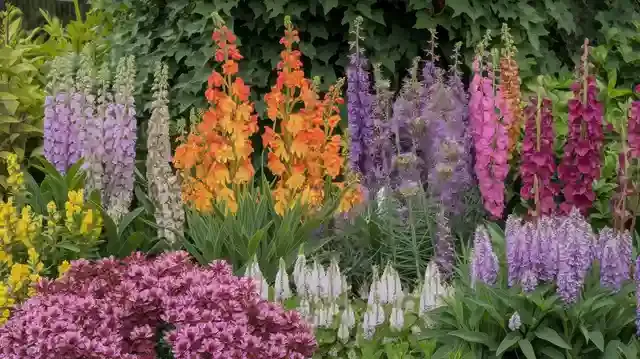
Our Top 10 Picks for a Summer-Long Flower Show
To achieve a high-yielding, season-long property transformation, incorporating a diverse array of master-planned structural plants is essential. The following directory details ten of the most reliable and design-friendly options utilized in landscaping for all seasons. Each one brings a distinct texture, hardiness profile, and geometric form, allowing you to establish a premium property layout using permanent, non-stop blooming elements.
Black-Eyed Susan (Rudbeckia)
A staple of high-end summer yard curb appeal, the Black-Eyed Susan offers robust, golden-yellow visual blocks surrounding a dense structural cone. They are exceptionally drought-tolerant and handle full sun exposure easily, making them one of the easiest multi-season elements for professional year-round landscape architecture. They maintain color from mid-summer through late autumn, anchoring border layouts and attracting valuable local pollinators.
Coneflower (Echinacea)
Prized by landscape designers for its structural daisy-like framework and raised centers, the Coneflower comes in premium designer shades of deep purple, crisp white, and bold orange. It acts as an anchor in any full-season property design, blooming consistently from early summer until the initial winter frost. Echinacea stands up to poor soil conditions and supports local bird populations during late autumn transitions.
Shasta Daisy (Leucanthemum x superbum)
For clean lines and a contemporary estate appearance, the Shasta Daisy is favored by residential contractors. Its striking white petals provide a bright contrast against deep green privacy hedges. These varieties establish a steady stream of structural color all summer long when managed correctly, serving as excellent cut flowers that allow homeowners to bring professional-grade design elements inside.
Yarrow (Achillea)
Yarrow is highly regarded in low-water architectural masterplans for its flat-topped flower clusters and fine, fern-like foliage. Available in custom landscape palettes from soft yellow to rich red, it proves extremely hardy in dry, rocky soils. Yarrow represents a key asset for low-maintenance continuous designs, requiring virtually no additional irrigation once established by a professional crew.
Catmint (Nepeta)
Featuring aromatic, silver-green foliage and dense spikes of lavender-blue, Catmint is a favorite choice for bordering stone walkways and structural retaining walls. It establishes a strong color base in late spring and will repeat its full bloom cycle if trimmed back after the first flush. It offers an excellent solution for high-traffic walkways where climate-resilient groundcover is required.
Salvia (Salvia nemorosa)
Often specified by structural landscapers under cultivars like 'May Night', perennial Salvia delivers intense vertical spikes of deep indigo-blue from late spring straight through summer. It is incredibly resilient against pests and adds a strong vertical element to garden borders. Routine pruning ensures a non-stop display, securing its position in high-value residential yard layouts.
Coreopsis (Tickseed)
Coreopsis introduces an airy, bright texture to open property spaces, producing a heavy volume of bright yellow, star-shaped flowers. It maintains consistent color for months on end, especially dense varieties used to fill large landscape borders. These plants handle intense summer heat and humidity easily, making them a core asset for any vibrant multi-season property plan.
Gaillardia (Blanket Flower)
Named for its bold patterns that mirror native textiles, Gaillardia brings fiery shades of crimson, copper, and amber to sunny exposures. It thrives in well-drained, sandy soils and blooms continuously from early summer until the first freeze with almost no maintenance, making it a favorite for cost-effective commercial and residential border upgrades.
Lavender (Lavandula)
No high-end estate plan is complete without the signature fragrance and color of professional Lavender borders. Its elegant purple spikes emerge in early summer and deliver reliable repeat flushes later in the season. English varieties are heavily utilized by architectural designers for their hardiness and clean lines, providing premium sensory appeal along entryways.
Russian Sage (Perovskia atriplicifolia)
With its silver-toned stems and light panicles of smoky blue, Russian Sage creates a stunning structural background in late-summer property lines. It is exceptionally drought-tolerant and deer-resistant, providing excellent height and texture. It adds critical dimension and visual depth to any master-planned multi-season landscape.
Choosing the Right Long-Blooming Perennials for Your Climate
While this direct list offers an excellent structural framework, selecting the best specific varieties depends heavily on your local zone requirements, soil drainage matrices, and solar exposure lines. For instance, Lavender and Russian Sage require highly porous, well-drained foundations and cannot tolerate clay-heavy moisture pockets, making them ideal for modern raised beds or sand-mapped layouts. In contrast, specific varieties of Coneflower adapt smoothly to heavier local soil compositions. The goal is to align the plant's biology with your yard's specific microclimate conditions. Researching your exact USDA Hardiness Zone is a mandatory first step to ensure your structural investments survive winter cycles and thrive for years to come.
Tips for Maximizing Summer Blooms
Securing the maximum return from your residential property landscape requires strategic upkeep. Following these professional maintenance rules ensures your investment produces a high-density display of continuous color throughout the entire season.
- Deadheading: Regularly prune away spent flower heads. This stops the plant from expending energy on seed production and triggers immediate secondary bloom cycles across varieties like Shasta Daisy and Salvia.
- Proper Watering: While established varieties excel in low-water conditions, they require deeply channeled irrigation during their initial layout year. Deep, infrequent watering cycles are superior to shallow misting, as they force deep root stabilization.
- Fertilizing: Deploy a balanced, slow-release nutrient compound in early spring as new growth emerges. Avoid over-fertilizing, which causes excessive leaf volume at the direct expense of vibrant flower density.
- Dividing Perennials: Every 3-4 years, have your landscaping crew divide dense clumps of varieties like Coreopsis. This process revives the parent plant, promotes better blooming, and provides extra material to expand your yard's footprint.
Frequently Asked Questions
Which are the easiest long blooming perennial flowers for beginners?
For property owners starting fresh, Black-Eyed Susan, Coneflower, and Catmint offer the highest success rates. They tolerate varied soil conditions and deliver a reliable return of continuous color with minimal operational maintenance.
Do I need to deadhead all of these 10 perennials that bloom all summer?
While some varieties hold their structure well, most benefit significantly from seasonal pruning to extend their color output. Varieties like Salvia and Coreopsis respond immediately, though leaving seed heads on Coneflowers provides excellent natural food for local winter birds.
How do I create a garden design with summer perennial garden plants?
To build a dynamic, professional-grade layout, layer your heights, textures, and color blocks sequentially. Position tall elements like Russian Sage along your back boundary lines, mid-height options like Coneflowers in central zones, and low-growing Catmint along your primary walking paths to create visual depth across your property layout.
Authored by Jennifer P.