7 Gut Friendly Foods to Stop Flare Ups: Your Ultimate Diet Guide
Facts:
- Over 70% of the immune system resides in the gut.
- A key trend is personalized nutrition for managing digestive flare ups.
Understanding Your Flare Up Diet for Gut Health
Navigating the discomfort of a gut flare-up can be challenging, but understanding which foods to incorporate is a crucial first step toward relief. The right nutrition can soothe an irritated digestive system, reduce inflammation, and help restore balance. This guide focuses on a targeted flare up diet gut health strategy, highlighting specific ingredients known for their gentle and healing properties. By focusing on these key gut friendly foods flare ups can be managed more effectively, providing a pathway to greater comfort and long-term digestive wellness. We will explore the specific items that constitute the best list of 7 foods to stop gut flare ups and how they can be easily integrated into your daily meals.
The Core 7 Foods to Stop Gut Flare Ups
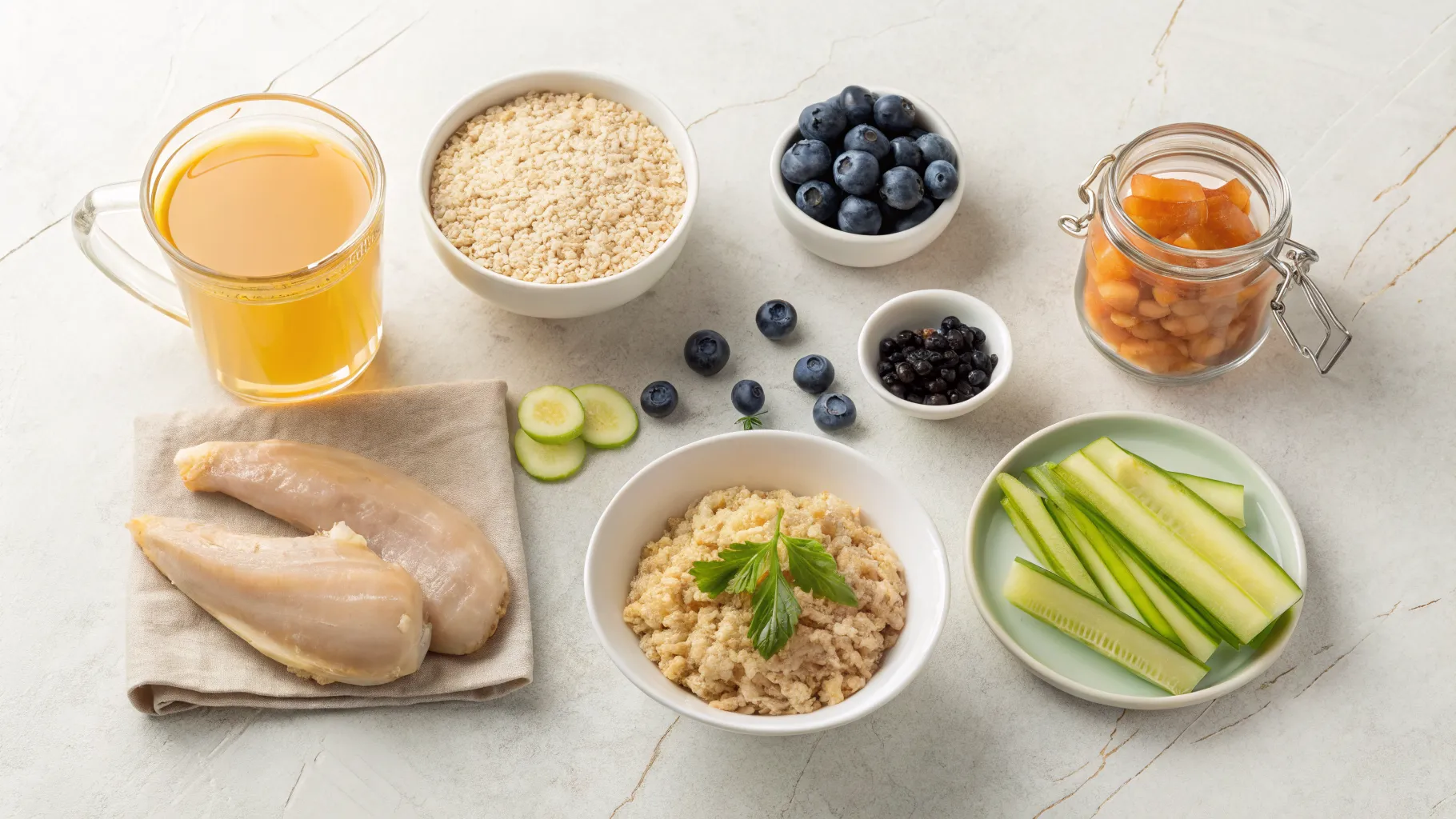
When your digestive system is in distress, it's vital to choose foods that are easy to digest and possess anti-inflammatory qualities. These seven foods are foundational for anyone looking to manage digestive flare up foods and promote a calmer gut environment. Each one has been selected for its unique properties that support gut healing and reduce irritation, making them essential components of any effective flare up diet gut health plan.
1. Ginger
Ginger is a powerhouse root renowned for its potent anti-inflammatory and anti-nausea properties. It can help relax the stomach muscles, aiding in the digestion process and alleviating cramps and bloating. Incorporating fresh ginger into teas, soups, or smoothies is an excellent way to harness its benefits. It's one of the most effective gut flare up foods to have on hand for immediate soothing effects during an episode.
2. Bone Broth
Slow-simmered bone broth is rich in collagen, glutamine, and other amino acids that are essential for repairing the intestinal lining. A damaged gut lining can contribute to increased sensitivity and flare-ups. Sipping on warm bone broth can be incredibly nourishing and healing, making it a cornerstone among the 7 foods to stop gut flare ups and a vital part of a long-term gut health strategy.
3. Fermented Foods (in moderation)
Foods like sauerkraut, kimchi, and kefir are packed with probiotics, the beneficial bacteria that support a healthy gut microbiome. While they should be introduced slowly during a flare-up, they are crucial for long-term balance. These foods help replenish good bacteria, which can be compromised during digestive distress. They are fantastic gut friendly foods flare ups can be prevented by with regular, moderate consumption.
4. Cooked, Low-Fiber Vegetables
Raw vegetables can be harsh on an irritated gut. Cooking vegetables like zucchini, carrots, spinach, and squash makes them much easier to digest by breaking down tough fibers. These vegetables provide essential nutrients without overworking your digestive system. They are ideal gut flare up foods to include when you need gentle, nourishing options.
5. Lean Proteins
During a flare-up, it's important to get adequate protein for tissue repair without burdening your digestion. Lean proteins such as skinless chicken, turkey, and white fish like cod are excellent choices. They are generally low in fat and easier to break down than red meats, providing the building blocks your body needs to heal. Including these proteins is a key part of managing your diet for digestive flare up foods.
6. Low-FODMAP Fruits
Certain fruits can be high in sugars that ferment in the gut, causing gas and bloating. Low-FODMAP fruits like blueberries, strawberries, and bananas (when not overly ripe) are gentler options. They provide antioxidants and vitamins without the high fermentable sugar content, making them a safe and sweet addition to your flare up diet gut health plan.
7. Oats (Well-Cooked)
Oats are a great source of soluble fiber, which forms a gel-like substance in the digestive tract. This can help soothe the gut lining and promote regular, healthy bowel movements. A bowl of well-cooked oatmeal, made with water or a tolerable milk alternative, is a comforting and beneficial meal for anyone dealing with gut sensitivity. It's a staple on the list of 7 foods to stop gut flare ups.
Sustaining Gut Health: A Proactive Approach
While knowing the right gut flare up foods to eat during an episode is critical, a long-term strategy is about prevention. Consistently incorporating these gut-friendly foods into your diet can strengthen your digestive resilience. Think of it as a proactive versus reactive approach. A reactive approach only addresses symptoms as they arise, whereas a proactive flare up diet gut health strategy aims to build a robust gut environment that is less susceptible to flare-ups in the first place. Regularly consuming bone broth, lean proteins, and low-FODMAP fruits builds a foundation of health, while ginger and cooked vegetables can be increased during times of stress or sensitivity. This balanced approach ensures you are always supporting your digestive system.
Actionable Tips for a Flare-Up Friendly Diet
Successfully integrating these foods requires more than just knowing what to eat; it's also about how you eat. Here are some practical tips to maximize the benefits of these gut friendly foods flare ups can be sensitive to:
- Cook Thoroughly: Always cook your vegetables until they are soft. Steaming, boiling, or roasting are excellent methods that break down fibers and make nutrients more accessible.
- Chew Your Food Well: Digestion begins in the mouth. Chewing each bite thoroughly reduces the workload on your stomach and intestines, which is especially important during a flare-up.
- Stay Hydrated with Soothing Liquids: Drink plenty of water, herbal teas like ginger or peppermint, and bone broth throughout the day. Proper hydration is key to healthy digestive function.
- Eat Smaller, More Frequent Meals: Instead of three large meals, try eating five or six smaller meals. This prevents overloading your digestive system and can help manage symptoms like bloating and discomfort.
- Listen to Your Body: Keep a food journal to track how you react to different digestive flare up foods. Everyone is different, and what works for one person may not work for another. Personalization is key.
Frequently Asked Questions
What are the worst foods for a gut flare-up?
During a flare-up, it's generally best to avoid spicy foods, fried or greasy foods, processed items, excessive sugar, alcohol, and caffeine. High-fiber raw vegetables and certain dairy products can also be problematic for some individuals. Focusing on simple, whole gut flare up foods is the safest approach.
How long should I follow a flare up diet for gut health?
The duration depends on the severity of your symptoms. A strict diet may be followed for a few days to a week until symptoms subside. Afterward, you can slowly reintroduce other foods one at a time to identify any potential triggers. A long-term focus on general gut friendly foods flare ups can prevent is always recommended.
Can stress cause digestive flare-ups even with the right diet?
Absolutely. The gut-brain axis is a powerful connection. High levels of stress can trigger digestive symptoms regardless of your diet. Managing stress through techniques like meditation, gentle exercise, and adequate sleep is a crucial component of managing your overall gut health and preventing flare-ups.
References
- Journal of Gastroenterology and Hepatology
- The National Institute of Diabetes and Digestive and Kidney Diseases (NIDDK)
- Clinical Nutrition and Metabolic Care
- World Journal of Gastroenterology
Authored by MyNewsPlace team