Applying for the Low Income Home Energy Assistance Program: A Complete Guide
Facts:
- LIHEAP is a federal block grant program.
- Program benefits can vary significantly by state for households seeking energy assistance.
Navigating Your Path to Lower Energy Bills with LIHEAP
The Low Income Home Energy Assistance Program, commonly known as LIHEAP, is a critical federal resource designed to help families and individuals manage their energy costs. If you are facing challenges with heating or cooling expenses, understanding how to access this low income energy assistance can provide significant financial relief. This program offers more than just a one-time payment; it's a comprehensive form of government utility help aimed at ensuring that vulnerable households can maintain a safe and healthy living environment. From direct financial aid to long-term energy efficiency solutions, the LIHEAP program serves as a vital lifeline for millions across the country who need help paying utility bills.
Who Qualifies for Low Income Energy Assistance?
Eligibility for LIHEAP is primarily based on household income and size, but specific criteria can vary from state to state. Generally, your household's gross income must be at or below 60% of your state's median income. However, some states may prioritize households with young children, elderly members, or individuals with disabilities. It is essential to check with your local LIHEAP agency to understand the exact income thresholds and priority groups in your area. This form of government utility help is not an entitlement program, meaning funding is limited, so applying early is always recommended. Proving your income, residency, and energy costs are standard parts of the verification process for this vital low income energy assistance.
A Step-by-Step Guide to Your LIHEAP Application
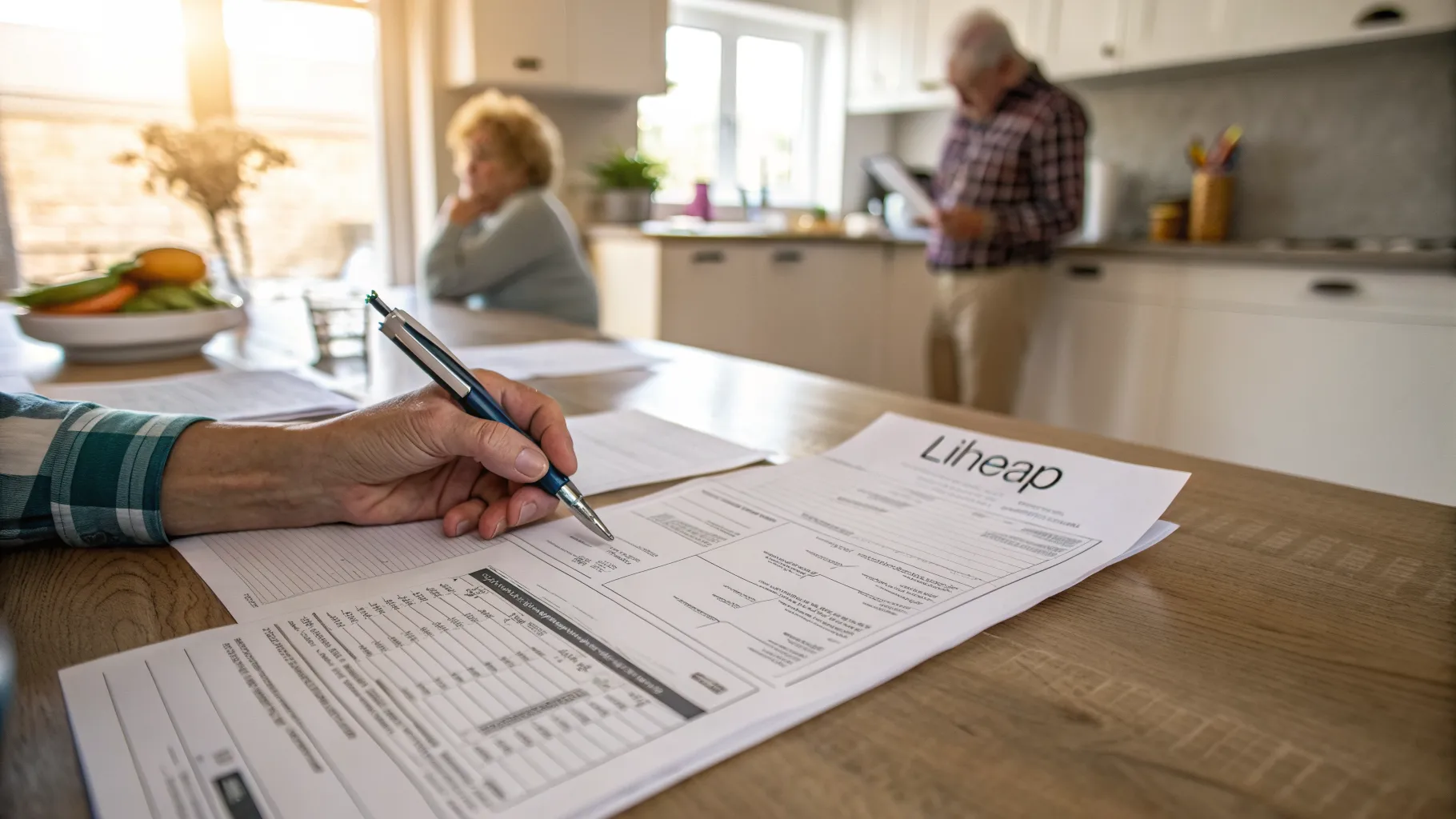
The process of completing a LIHEAP application is designed to be straightforward, but requires careful attention to detail. The first step is to locate your local LIHEAP office, which can typically be found through your state's Department of Social Services or Health and Human Services website. You will need to gather several documents, including proof of income for all household members, copies of recent utility bills, social security numbers, and proof of residence. Once you have your documents, you can fill out the application form, which may be available online or in person. Submitting a complete and accurate LIHEAP application is crucial for avoiding delays in receiving a grant to pay electric bill or other heating fuel costs. Follow up with the agency if you do not hear back within the specified timeframe.
What Kinds of Benefits Can You Receive?
LIHEAP provides several types of assistance to eligible households. The most common is bill payment assistance, where a direct payment is made to your utility company on your behalf. This is a critical form of help paying utility bills that can prevent service disconnection. Another key benefit is crisis assistance, which is available for households in immediate danger of having their utilities shut off or who have already been disconnected. In some cases, LIHEAP can also help with emergency repairs or replacement of essential heating or cooling equipment. The amount of the grant to pay electric bill or other fuel costs you receive depends on your income, household size, energy costs, and the state you live in.
Beyond Bill Pay: The Free Weatherization Program
In addition to direct financial aid, LIHEAP funds support the Weatherization Assistance Program (WAP). This is a fantastic free weatherization program that helps households lower their energy bills for the long term. If you qualify, a team of professionals will conduct an energy audit of your home to identify sources of energy loss. They may then install insulation, seal air leaks, tune up your heating and cooling systems, and make other energy-saving improvements at no cost to you. Participating in the free weatherization program not only provides immediate savings but also increases the comfort and safety of your home, making it a powerful tool alongside the direct help paying utility bills.
Tips for a Successful Application Process
To ensure your application for government utility help goes as smoothly as possible, preparation is key. Here are some actionable steps you can take to improve your chances of receiving assistance quickly:
- Gather All Documents in Advance: Before you even start the LIHEAP application, create a folder with all necessary paperwork. This includes pay stubs, social security cards for all household members, a copy of your lease or mortgage statement, and your most recent energy bills.
- Apply as Soon as Possible: LIHEAP funds are limited and often distributed on a first-come, first-served basis. Do not wait until you are in a crisis situation. Apply as soon as the application period opens in your state.
- Fill Out the Application Completely and Accurately: Double-check every section of the application form. Missing information or errors can cause significant delays or even lead to a denial of your request for a grant to pay electric bill.
- Keep Copies of Everything: Make copies of your completed application and all the documents you submitted. This is important for your records and can be helpful if there are any issues or questions from the agency.
- Follow Up Politely: After submitting your application, note the expected processing time. If you haven't heard back within that window, a polite phone call or visit to the local office can help clarify the status of your application for low income energy assistance.
Frequently Asked Questions
Can I get a grant to pay electric bill if I am a renter?
Yes, both renters and homeowners can be eligible for LIHEAP assistance. If your utilities are included in your rent, you may still be able to receive benefits, although the process and eligibility requirements might differ slightly. You will need to provide documentation of your rental agreement and household income as part of your LIHEAP application.
How often can I apply for low income energy assistance?
Typically, households can apply for LIHEAP once per program year. The program year usually runs from fall through summer. However, you may be able to apply for additional crisis assistance if you face an emergency situation, such as a utility shut-off notice, even if you have already received regular benefits.
Is the free weatherization program available everywhere?
The Weatherization Assistance Program is funded by the U.S. Department of Energy and is available in all 50 states, the District of Columbia, and U.S. territories. Local agencies that administer LIHEAP often handle the free weatherization program as well. Check with your local energy assistance office to see how you can apply.
What if my LIHEAP application is denied?
If your application is denied, you have the right to an appeal. The denial letter you receive should explain the reason for the decision and provide instructions on how to start the appeal process. It is important to act quickly, as there are typically strict deadlines for filing an appeal for government utility help.
References
- U.S. Department of Health & Human Services, Office of Community Services
- National Energy Assistance Directors' Association (NEADA)
- Your State's Department of Social or Human Services Website
- Local Community Action Agencies
Authored by MyNewsPlace team