A Comprehensive Guide to Classic Wool Blazers for Women
A classic wool blazer is widely regarded as a staple garment that transcends passing trends.
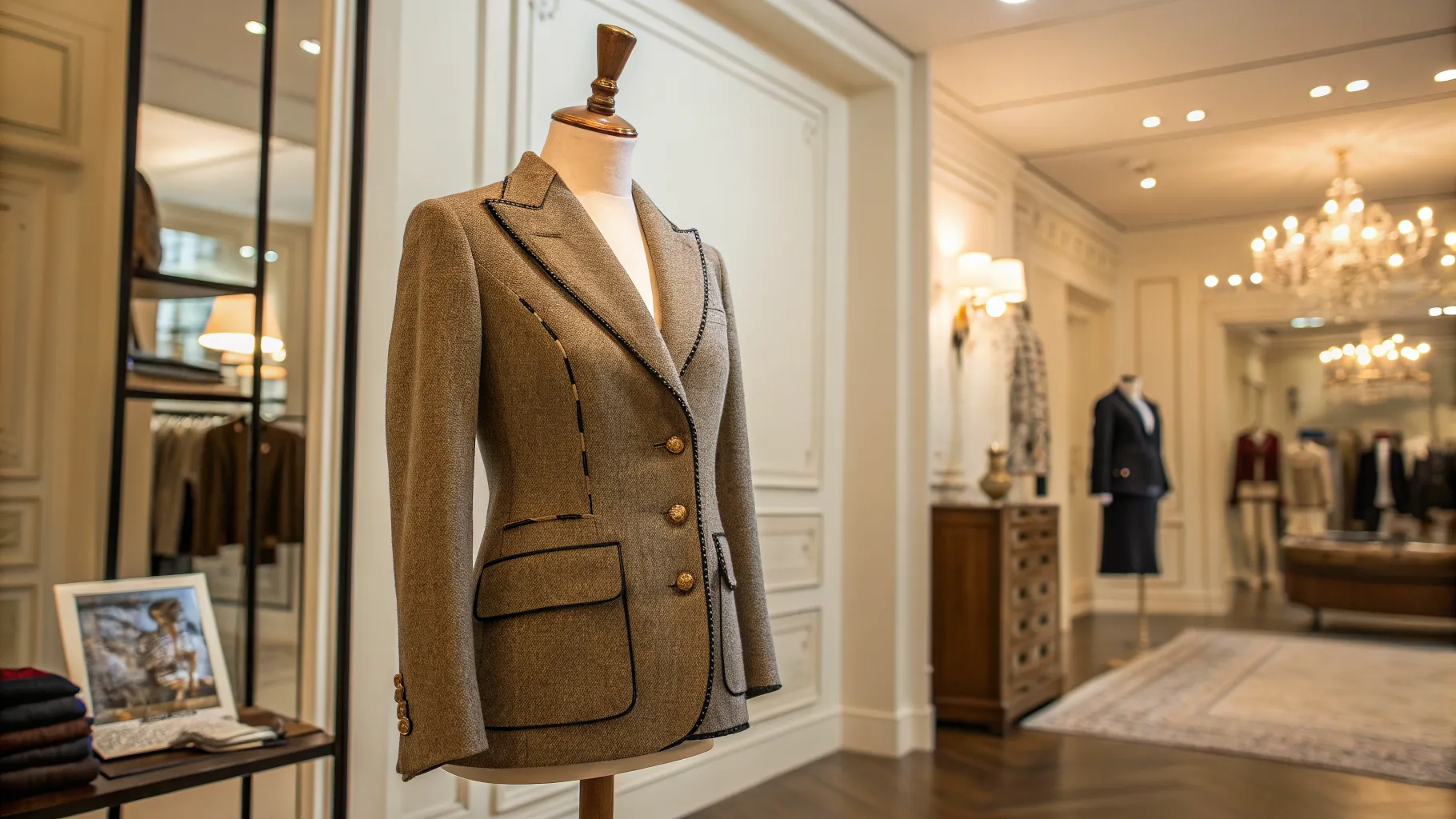
Understanding the Appeal of Wool Blazers
Wool blazers have long held a prominent place in women's fashion due to their inherent blend of structure and comfort. Unlike synthetic alternatives, natural wool provides breathability while retaining heat, making it an ideal layering piece for transitional weather. The material drapes elegantly over the body, creating a polished silhouette that elevates almost any ensemble.
Beyond functionality, the aesthetic value of a classic wool blazer lies in its remarkable versatility. It bridges the gap between formal corporate wear and relaxed weekend attire. Understanding the nuances of this garment allows individuals to make informed choices when curating a versatile blazer wardrobe piece that will last for years.
Different Types of Wool Used in Blazers
Not all wool is created equal, and the specific type of fiber used greatly influences the texture, weight, and warmth of the blazer. Familiarizing yourself with these variations is a crucial part of any classic blazer buying guide. The choice of wool dictates whether a jacket is best suited for freezing winter days or brisk autumn afternoons.
- Merino Wool: Known for its fine and soft fibers, merino wool creates a lightweight yet warm blazer that feels smooth against the skin.
- Tweed: This rough woolen fabric is tightly woven and incredibly durable, often featuring intricate patterns like herringbone or houndstooth.
- Cashmere Blends: Adding cashmere to traditional sheep's wool results in a luxurious and exceptionally soft garment with a subtle sheen.
- Worsted Wool: A smooth and compact yarn that produces a crisp finish, making it highly popular for professional and structured suits.
Key Elements of a Timeless Blazer Fit
A well-fitted blazer is essential for achieving a polished look. The shoulder seam should sit exactly where the natural shoulder ends. If the seam droops down the arm, the jacket is too large, and if it pulls closer to the neck, it is too small. The armholes should be high enough to allow free movement without pulling the body of the jacket upward when you raise your arms.
The length of the sleeves and the body also play a significant role in the overall fit. Sleeves should ideally end just above the base of the thumb, allowing a small sliver of a shirt cuff to show if layered. The hemline of a classic blazer traditionally hits around the mid-hip, though variations exist. Ensuring these proportions align with your body shape guarantees a flattering and comfortable fit.
Popular Styles and Silhouettes
While the fundamental concept of a blazer remains consistent, subtle variations in cut and detailing create distinct styles. Choosing the right silhouette depends on personal preference and the primary contexts in which the jacket will be worn. Single-breasted and double-breasted designs are the two main categories to explore.
- Single-Breasted: Featuring a single column of buttons and a narrow overlap of fabric, this is the most common and universally flattering style.
- Double-Breasted: This style includes wider overlapping front lapels and two parallel columns of buttons, offering a more formal and structured appearance.
- Oversized Fit: Drawing inspiration from menswear, this relaxed silhouette provides a contemporary edge while maintaining traditional tailoring elements.
- Cropped Blazers: Ending at or above the waist, this modern variation pairs exceptionally well with high-waisted trousers or skirts.
Versatile Blazer Outfit Ideas
Integrating a wool blazer into your daily rotation is remarkably simple due to its adaptable nature. For a classic and professional environment, pairing a dark worsted wool blazer with matching tailored trousers and a crisp button-down shirt remains an unbeatable combination. This combination projects authority and neatness without requiring excessive effort.
For casual settings, wool blazer outfit ideas can lean into relaxed textures. Layering a textured tweed blazer over a simple cotton t-shirt and straight-leg denim jeans instantly upgrades a basic weekend look. Adding leather loafers or ankle boots completes the ensemble, striking a perfect balance between sophisticated and effortless.
Care and Maintenance for Longevity
Proper care is fundamental to ensuring a wool blazer retains its shape, texture, and structural integrity over time. Wool is a naturally resilient fiber that resists odors and wrinkles, meaning it does not require frequent washing. In fact, over-cleaning can strip the natural oils from the wool and cause the fibers to break down prematurely. Spot cleaning minor stains with a damp cloth is often sufficient for routine maintenance.
When a thorough cleaning is necessary, dry cleaning is almost always recommended by manufacturers. Between wears, hanging the blazer on a sturdy and contoured wooden hanger helps preserve the shape of the shoulders. Using a soft-bristled garment brush removes surface dust, while occasional steaming safely eliminates wrinkles and refreshes the fabric without the harsh impact of a direct iron.
Authored by MyNewsPlace team