Comparing the Best Business Credit Cards for Rewards in 2026
Facts:
- Many business cards offer employee cards for free.
- A growing trend for small businesses is using rewards to offset operational costs.
Decoding the Best Rewards: A Guide to Business Credit Cards
Choosing the right credit card for your company is a critical financial decision. The market is saturated with options, each promising to be the key to unlocking significant value. This guide is designed to cut through the noise, providing a comprehensive comparison of the best business credit cards available. Whether you are a solo entrepreneur, a growing startup, or an established enterprise, understanding the nuances between different reward structures is essential. We will delve into everything from high-yield cash back business cards to premium travel perks, helping you identify the perfect financial tool to complement your business operations and maximize your returns. Making an informed choice can directly impact your bottom line, turning everyday expenses into valuable assets.
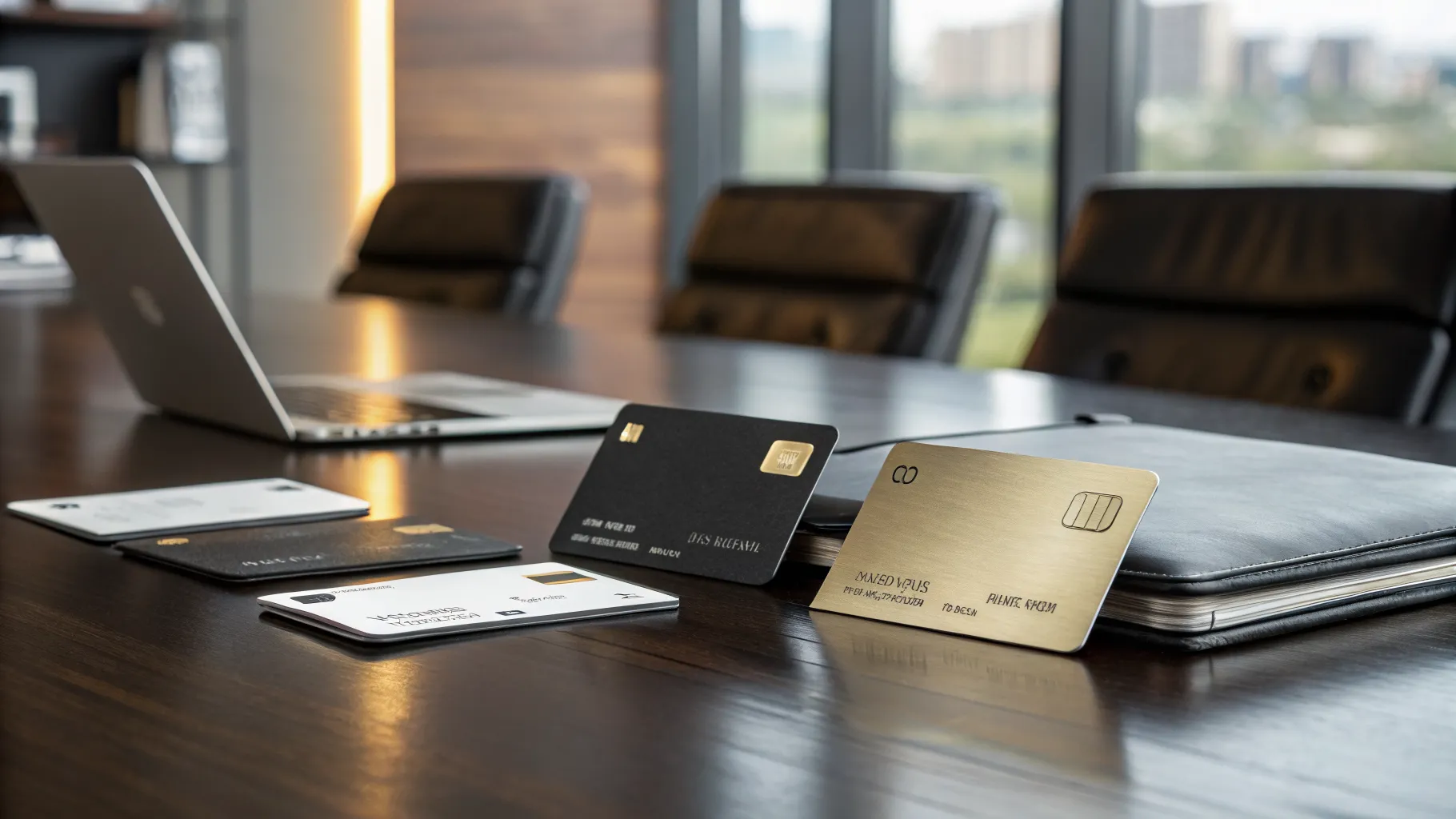
Top Tiers for Cash Back Business Cards
For businesses seeking simplicity and immediate value, cash back business cards are an excellent choice. These cards offer a straightforward percentage back on every dollar spent, which can be redeemed as a statement credit, check, or direct deposit. This type of reward is incredibly flexible, allowing you to reinvest the savings directly back into your business operations. There are generally two types of cash back cards: flat-rate and tiered-rewards. Flat-rate cards offer a consistent percentage (e.g., 1.5% or 2%) on all purchases, making them easy to manage without tracking spending categories. Tiered-rewards cards, on the other hand, offer higher cash back rates in specific categories like office supplies, gas, or dining, and a base rate on all other purchases. When considering small business rewards cards with cash back, analyze your company's spending patterns. If your expenses are concentrated in a few key areas, a tiered card could yield significantly higher returns. However, if your spending is varied, the simplicity of a flat-rate card might be more beneficial and less time-consuming to manage.
Elevating Your Company with Business Travel Rewards
If your business operations involve frequent travel, focusing on business travel rewards can unlock immense value. These specialized cards are designed to reward spending on flights, hotels, rental cars, and dining. Rewards are typically earned as points or miles that can be redeemed for future travel, often at a higher value than standard cash back. Many premium travel cards also offer a suite of valuable perks, such as airport lounge access, complimentary checked bags, travel insurance, and elite status with hotel or airline partners. These benefits not only enhance the comfort of business travel but can also lead to substantial cost savings. When evaluating these cards, look at transfer partners. The best business credit cards for travel allow you to transfer your points to various airline and hotel loyalty programs, providing maximum flexibility and redemption value. These are often considered a type of corporate credit cards designed to support companies with a mobile workforce.
The Strategic Advantage of No Annual Fee Business Cards
For startups, freelancers, or businesses with tight budgets, no annual fee business cards present a risk-free way to build business credit and manage expenses. The primary benefit is cost savings, as you avoid a yearly charge simply for holding the card. While these cards might not offer the ultra-premium perks of their high-annual-fee counterparts, many still provide competitive rewards programs, including cash back and introductory 0% APR offers. An introductory APR period can be a powerful tool for financing a large purchase or managing cash flow during a growth phase, allowing you to carry a balance interest-free for a set period. Choosing one of these cards allows a business to separate personal and professional expenses effectively without adding to its fixed overhead costs. They are an essential part of the ecosystem of small business rewards cards and provide a crucial entry point for new ventures.
Corporate Credit Cards vs. Small Business Rewards Cards: Key Differences
It's important to understand the distinction between standard small business rewards cards and true corporate credit cards. Small business cards are typically designed for sole proprietorships, partnerships, and smaller corporations. The business owner is often personally liable for the debt, and the underwriting process heavily considers their personal credit history. In contrast, corporate credit cards are intended for larger, established corporations. Liability often rests with the company itself, not the individual cardholder. These programs offer more sophisticated tools for expense management, detailed reporting, and higher credit limits to accommodate substantial corporate spending. While both card types can offer rewards, corporate programs are more focused on control and integration with accounting software, whereas small business cards often prioritize high-value, flexible rewards for the owner.
A Practical Checklist for Selecting Your Card
Choosing from the myriad of options requires a strategic approach. Here is a guide to help you select the best business credit cards for your specific needs:
- Assess Your Spending Habits: Analyze your business expenses from the last 6-12 months. Where does most of your money go? This will determine whether cash back, travel points, or a category-specific card is most lucrative for you.
- Check Your Credit Score: The top-tier small business rewards cards typically require a good to excellent personal credit score. Know where you stand before you apply to avoid rejections that can temporarily lower your score.
- Compare Welcome Offers: Sign-up bonuses can provide a significant initial value. Compare these offers carefully, but don't let a large bonus overshadow a card's poor long-term earning potential. Ensure you can realistically meet the minimum spending requirement to earn the bonus.
- Read the Fine Print on Rewards: Understand how rewards are earned and redeemed. Are there caps on earnings? Do points expire? Is there flexibility in redemption, such as transferring points to business travel rewards partners?
- Consider the Annual Fee: Evaluate whether the benefits and rewards of a card with an annual fee will outweigh its cost. For many businesses, the perks from premium cards can be well worth the price, but no annual fee business cards are a safer bet if you're unsure.
Frequently Asked Questions
What is the main difference between personal and the best business credit cards?
The primary differences lie in the underwriting, liability, and features. Business credit cards are designed for business expenses and often offer higher credit limits and rewards tailored to business spending categories. They also help build a credit profile for the business itself, separate from the owner's personal credit.
Can I get no annual fee business cards with good rewards?
Absolutely. While they may not have the premium travel perks of high-fee cards, many no-annual-fee options offer excellent flat-rate cash back or bonus rewards in common business categories like office supplies, internet services, and dining.
How do business travel rewards work for employees?
Most business card programs allow you to issue employee cards. Purchases made by employees earn rewards that are consolidated into the main business account, allowing the company to centralize points or miles from all company spending to be used for future business travel.
References
- U.S. Small Business Administration
- Federal Reserve Board Reports on Credit Card Markets
- Major Financial News Outlets (e.g., The Wall Street Journal, Forbes)
- Consumer Financial Protection Bureau (CFPB)
Authored by MyNewsPlace team