Comparing Discounted Business Internet Plans for May 2026
Facts:
- Fiber optic internet often provides symmetrical upload and download speeds.
- Increased demand for cloud services drives the need for high-speed business internet.
Navigating the Market for Affordable High-Speed Office Internet
In today's digitally-driven business landscape, a reliable and fast internet connection is not a luxury; it's the backbone of operations. From video conferencing and cloud computing to customer relationship management, every facet of a modern enterprise depends on connectivity. However, navigating the crowded marketplace of commercial internet service providers can be a daunting task. The challenge lies in finding a plan that offers robust performance without inflating the budget. This guide is designed to help you compare discounted business internet plans, understand the key differences between services like fiber internet for business and standard broadband, and ultimately secure a connection that provides the necessary speed and reliability. Whether you're a startup looking for cheap business internet or an established firm needing a scalable solution, getting the right plan is crucial for maintaining a competitive edge and ensuring seamless daily operations.
Decoding the Types of Business Internet Connections
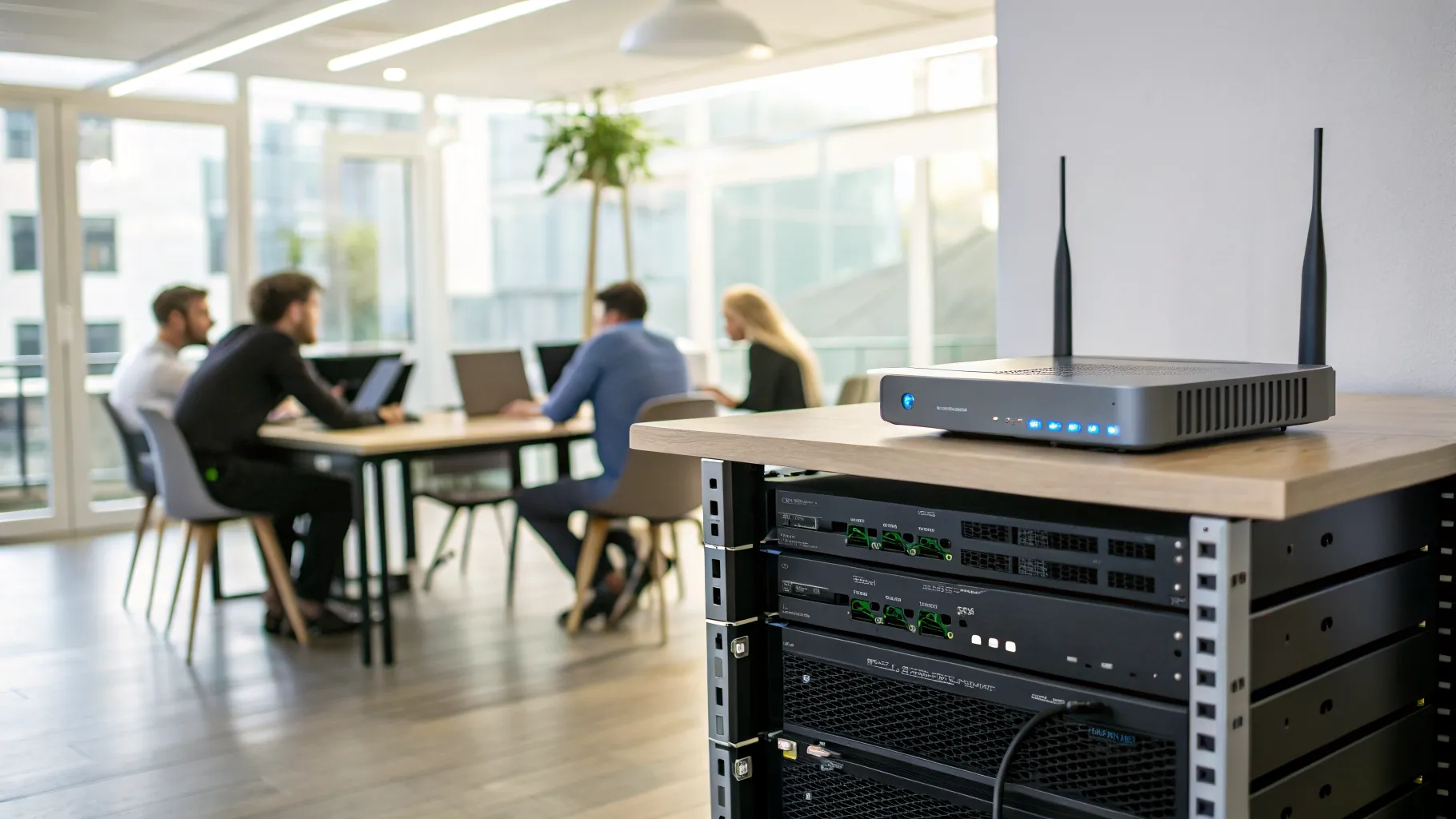
Before you can effectively compare plans, it's essential to understand the different types of internet technologies available to businesses. The most common options include DSL, Cable, Satellite, and Fiber Optic. While DSL and cable are often sufficient for small businesses with basic needs, companies that rely heavily on data transfer, cloud applications, and VoIP communications should strongly consider more advanced solutions. The gold standard in modern connectivity is fiber internet for business. It uses light signals transmitted through fiber-optic cables to deliver incredibly fast and symmetrical upload and download speeds, which is critical for tasks like uploading large files or hosting video conferences. For businesses in remote areas, satellite may be the only option, but it often comes with higher latency. Understanding these technological differences is the first step toward choosing the right high speed office internet solution for your specific operational requirements.
The Critical Difference: Dedicated vs. Shared Internet Access
One of the most significant decisions when choosing a business internet plan is whether to opt for shared broadband or dedicated internet access (DIA). Shared connections, similar to residential plans, mean you share bandwidth with other businesses in your area. During peak hours, this can lead to significant slowdowns. While often marketed as cheap business internet, the potential for inconsistent performance can be costly in terms of lost productivity. In contrast, dedicated internet access provides a private, uncontested connection directly to the internet backbone. This guarantees your advertised speeds 24/7, offering unparalleled reliability and security. Businesses that handle sensitive data, run their own servers, or require constant, high-performance connectivity for critical applications will find DIA to be a worthwhile investment. When you request commercial ISP quotes, always clarify whether the plan is for a shared or dedicated line to make an accurate comparison.
How to Effectively Gather and Compare Commercial ISP Quotes
Securing the best deal requires a strategic approach to gathering and evaluating quotes. Don't just settle for the first offer you receive. Reach out to multiple national and local business wifi providers to create a competitive environment. When requesting commercial ISP quotes, be specific about your needs: detail the number of employees, your primary internet usage (e.g., cloud apps, video calls, data backups), and any scalability requirements for future growth. Scrutinize the Service Level Agreement (SLA) in each quote. An SLA is the provider's guarantee regarding uptime, latency, and support response times. A provider offering a 99.99% uptime guarantee is significantly more reliable than one offering 99.5%. By systematically comparing not just the price but also the SLAs and contract terms, you can find a truly valuable high speed office internet plan that aligns with your business goals.
Strategies for Finding Genuinely Cheap Business Internet
While performance and reliability are paramount, budget constraints are a reality for most businesses. The good news is that finding cheap business internet doesn't always mean sacrificing quality. One effective strategy is to look for bundled services. Many providers offer discounts when you package your internet with phone lines (VoIP) or other business services. Another approach is to inquire about introductory pricing, but be sure to read the fine print to understand what the rate will be after the promotional period ends. It's also wise to research smaller, regional business wifi providers. They often offer more competitive pricing and personalized customer service compared to the larger national corporations. Don't be afraid to negotiate. Armed with multiple commercial ISP quotes, you can often leverage one offer against another to secure a better price or more favorable terms from your preferred provider.
Key Factors to Review Before Committing to a Plan
Before you sign on the dotted line, it's crucial to perform a final review of the key components of the internet plan. A detailed evaluation ensures the service will meet your needs both now and in the future. We recommend focusing on the following areas:
- Scalability: How easily can you upgrade your bandwidth as your business grows? A good provider will offer flexible plans that can be adjusted without requiring a complete contract overhaul. This is especially important for companies anticipating rapid expansion.
- Customer Support: What level of support does the provider offer? Look for business-class support with 24/7 availability and dedicated account representatives. A quick response time during an outage can be the difference between a minor inconvenience and a major financial loss.
- Security Features: Does the internet package include any built-in security features, such as DDoS mitigation, managed firewalls, or content filtering? Robust security is essential for protecting your company's sensitive data and network integrity.
- Installation and Equipment: Clarify the installation process, associated costs, and what equipment is included. Will the provider supply and configure the router and other hardware? Understanding these details helps avoid unexpected fees and ensures a smooth setup of your high speed office internet.
Frequently Asked Questions
What is the main advantage of fiber internet for business?
The primary advantage of fiber internet for business is its symmetrical speed capability, meaning upload speeds are just as fast as download speeds. This is crucial for modern business operations that involve large file transfers to the cloud, high-quality video conferencing, and hosting servers. Furthermore, fiber offers lower latency and greater reliability compared to cable or DSL.
How can I get multiple commercial ISP quotes quickly?
To efficiently gather multiple commercial ISP quotes, you can use online comparison platforms that cater specifically to business services. Alternatively, you can contact providers directly but have a clear list of your requirements ready, including desired speed, number of users, and whether you need dedicated internet access. This ensures you receive comparable quotes to evaluate effectively.
Is dedicated internet access necessary for a small business?
Whether a small business needs dedicated internet access depends on its operations. If your business relies on constant connectivity for critical functions like e-commerce, VoIP phone systems, or handling sensitive client data, the guaranteed uptime and consistent speeds of DIA are highly recommended. For businesses with more basic needs, a high-quality shared connection from reliable business wifi providers may suffice.
References
- The State of Business Connectivity Report
- FCC Guidelines for Commercial Broadband
- Journal of Network and Systems Management
Authored by MyNewsPlace team