The Ultimate Guide to Easy-to-Use Cell Phones and Plans for Seniors
Facts:
- Over 80% of adults aged 65+ now use a cell phone.
- A growing trend is the demand for simplified interfaces for senior mobile phones.
Navigating the World of Senior-Friendly Mobile Technology
In today's digitally connected world, having a reliable mobile phone is more a necessity than a luxury, especially for staying in touch with loved ones and accessing help in emergencies. However, the complexity of modern devices can be a significant barrier. That's where the market for easy cell phones for seniors steps in, offering straightforward solutions without the confusing bells and whistles. These devices prioritize readability, ease of use, and essential safety features, ensuring that technology empowers rather than overwhelms. Whether you're looking for basic call-and-text functionality or one of the newer simple smartphones, there's a perfect fit to keep you connected and safe.
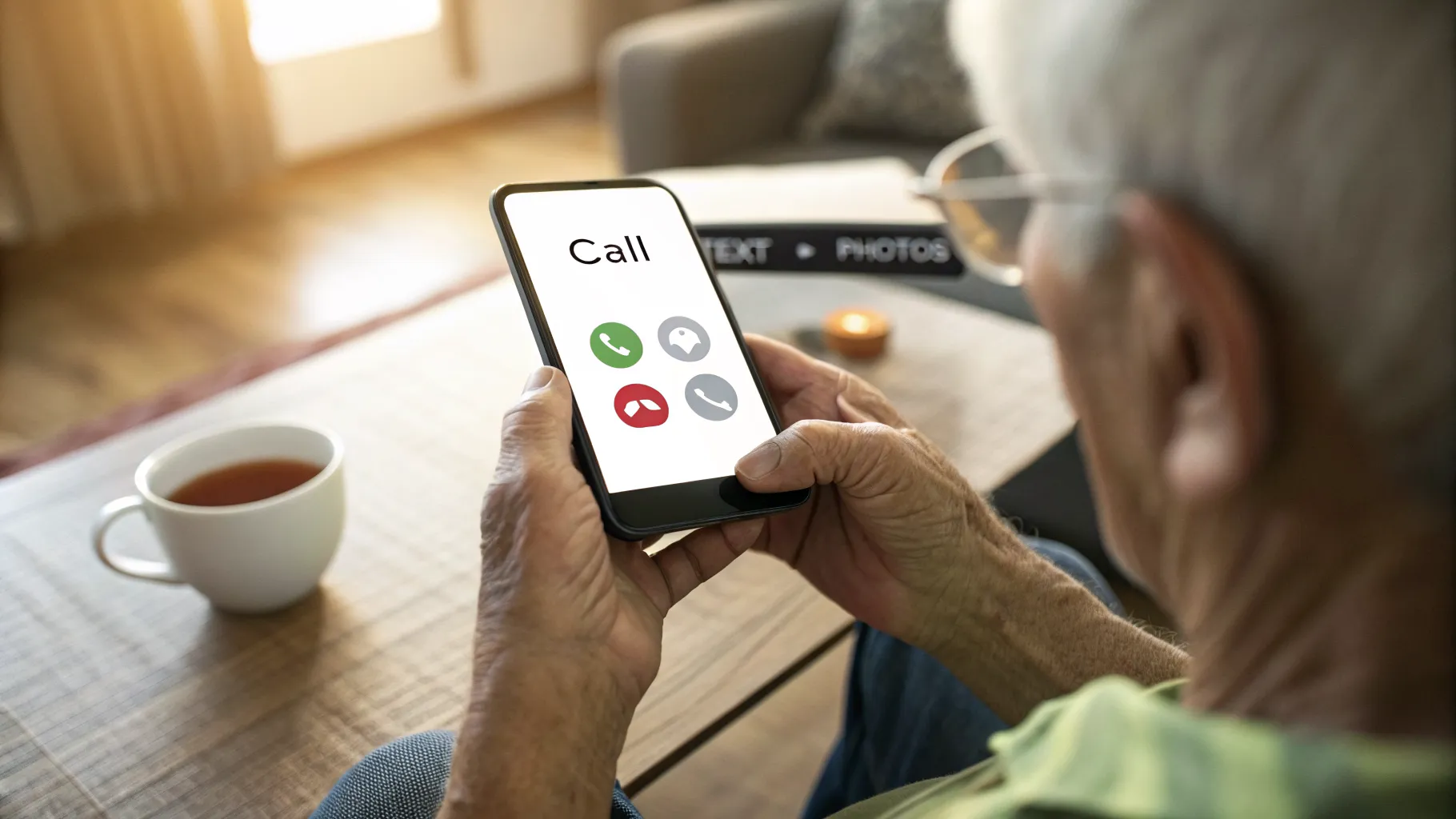
Key Features That Define the Best Senior Mobile Phones
When searching for the ideal senior mobile phones, it's crucial to look past the brand name and focus on the features that truly enhance usability. The primary goal is simplicity and accessibility. Look for phones with large, bright displays and adjustable font sizes to combat vision challenges. Physical, tactile keyboards, often found on big button cell phones, are a massive advantage for those who struggle with touchscreen accuracy. Another critical feature is a simplified menu or user interface, which presents only the most essential functions like 'Call', 'Voicemail', and 'Messages' on the home screen. Furthermore, many of these phones include a dedicated SOS or emergency button that can be programmed to call for help with a single press, providing invaluable peace of mind for both the user and their family.
Top Device Styles: Simple Smartphones vs. Big Button Cell Phones
The choice of device often comes down to two main categories, each serving different needs. It's important to understand the pros and cons before making a decision. While one offers more features in a simplified package, the other perfects the art of basic communication. This section breaks down the differences to help you find the right type of phone for your lifestyle.
The Modern Simplicity of Simple Smartphones
For seniors who want access to apps like maps, video calling, or a web browser but find standard smartphones intimidating, simple smartphones are the perfect hybrid. These devices run on modified operating systems that strip away the clutter. They feature large, touch-friendly icons, voice typing capabilities, and often come with pre-installed apps for health and safety. They offer the benefits of modern technology, such as sharing photos with grandkids, without the steep learning curve. They are excellent easy cell phones for seniors who desire more than just basic calling.
The Timeless Reliability of Big Button Cell Phones
Often designed as flip phones or candy bar phones, big button cell phones are the ultimate solution for anyone prioritizing call quality and ease of use above all else. Their main selling points are the large, physical buttons that provide satisfying tactile feedback, a loud and clear speaker, and exceptional battery life that can last for days. These devices are incredibly durable and straightforward, making them perfect for users who primarily need a phone for talking and texting. Their uncomplicated nature removes any potential for technological frustration, making them a consistently popular choice.
Understanding Jitterbug Phone Plans and Other Senior-Focused Carriers
Choosing the right hardware is only half the battle; the service plan is equally important. Specialized carriers have emerged to cater specifically to the senior market, with jitterbug phone plans (offered by Lively) being one of the most well-known. These plans are designed with flexibility and support in mind. They typically feature no long-term contracts, allowing users to change their plan as their needs evolve. A key differentiator is the U.S.-based customer service, staffed by patient and understanding representatives. Many of these plans also integrate unique health and safety packages, offering services like 24/7 access to emergency response agents or telehealth consultations directly from the phone. When comparing options, look for plans that offer affordable data for simple smartphones or talk-and-text-only plans for more basic devices.
Actionable Advice for Choosing Your Phone and Plan
Selecting the right combination of device and plan can feel daunting, but a systematic approach can simplify the process. Here are some actionable steps to guide you to the best choice for your needs and budget.
- Evaluate Your Usage Needs: Be honest about how you'll use the phone. Do you just need it for occasional calls and emergencies? Or do you want to browse the internet, use GPS, and video chat with family? Your answers will determine whether you need a basic flip phone or one of the simple smartphones.
- Check for Hearing Aid Compatibility (HAC): If you use a hearing aid, it's essential to find a phone with a high HAC rating (M3/T3 or higher). This ensures clear audio without feedback or interference, which is a common issue with standard senior mobile phones that lack this feature.
- Prioritize Safety Features: Look for a dedicated SOS or emergency button. Research how it works—does it call 911 directly, or does it contact a private monitoring service or a list of pre-set contacts? This feature is a crucial lifeline for many users.
- Compare Plan Costs and Flexibility: Don't just look at the monthly price. Examine potential overage charges, activation fees, and whether the plan requires a long-term contract. Carriers offering jitterbug phone plans and similar services often provide more flexibility than major national carriers.
Frequently Asked Questions
What are the easiest senior mobile phones to use?
The easiest phones are typically those with the fewest, most essential features. For ultimate simplicity, big button cell phones in a flip phone format are often the top choice due to their physical keys and basic menus. For those wanting a few more features, simple smartphones with a custom, icon-based interface are also excellent options.
Are jitterbug phone plans the only option for seniors?
No, while jitterbug phone plans are very popular, they are not the only option. Other carriers like Consumer Cellular and Mint Mobile also offer affordable, no-contract plans that are popular with seniors. Even major carriers sometimes have discounted plans for customers over a certain age. It's best to compare the specific features, customer support, and health services offered by each.
Can I use a simple smartphone to video chat with my family?
Yes, absolutely. This is one of the primary benefits of choosing from the available simple smartphones. They are designed to run popular apps like WhatsApp, FaceTime, or Google Meet, and their simplified interface makes launching a video call straightforward and easy.
References
- Senior Technology Adoption Rates Report
- Mobile Accessibility Features Guide
- Comparative Analysis of Senior-Focused MVNOs
Authored by MyNewsPlace team