Eco-Friendly Home Maintenance Tips for 2026
Maintaining a home requires regular attention, but the methods and materials used can have a significant impact on the environment. As we move into 2026, many homeowners are adopting a sustainable home upkeep guide to ensure their properties remain in excellent condition without contributing to ecological degradation. By implementing environmentally friendly home care practices, it becomes possible to reduce waste, lower energy consumption, and create a healthier indoor living space.
Shifting Toward Sustainable Cleaning Products
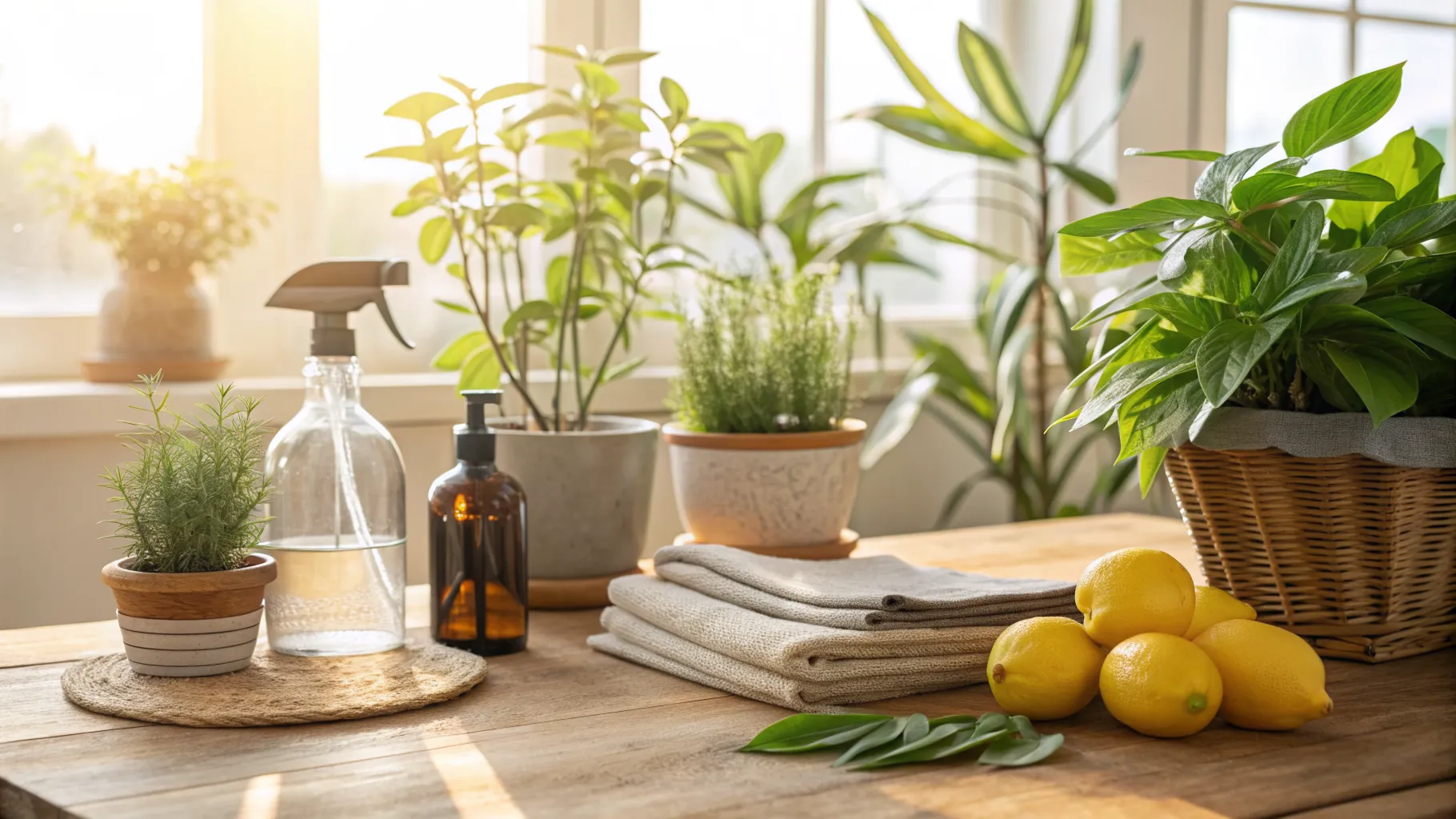
One of the most accessible eco friendly home maintenance tips involves rethinking the products used for daily and deep cleaning. Traditional cleaning agents often contain harsh chemicals that can degrade indoor air quality and contaminate water systems when washed down the drain. Transitioning to biodegradable, plant-based cleaning solutions offers a safer alternative that is just as effective at cutting through dirt and grime.
Many homeowners are also returning to simple, natural ingredients for their green home maintenance ideas. White vinegar, baking soda, and lemon juice can be combined to tackle a wide variety of household chores. These natural compounds eliminate the need for single-use plastic bottles when purchased in bulk and prevent volatile organic compounds from lingering in the air after a thorough cleaning session.
Energy Efficient HVAC Maintenance
Heating, ventilation, and air conditioning systems consume a vast amount of energy, making their proper upkeep essential for an eco conscious home. Regular maintenance ensures these systems operate at peak efficiency, which minimizes energy waste and reduces the overall carbon footprint of the household. A well-maintained HVAC unit also enjoys a longer lifespan, delaying the need for resource-heavy replacements.
- Replace air filters every one to three months to ensure optimal airflow and reduce strain on the system.
- Schedule annual professional inspections to catch minor inefficiencies before they become major energy drains.
- Keep exterior compressor units free of debris, leaves, and overgrown vegetation.
- Consider upgrading to a smart thermostat in 2026 to optimize heating and cooling schedules automatically.
Water Conservation and Plumbing Care
Water scarcity remains a pressing global issue, and proactive plumbing care is a crucial component of environmentally friendly home care. A minor drip from a faucet or a continuously running toilet can waste thousands of gallons of water over the course of a year. Regularly inspecting exposed pipes, under-sink connections, and bathroom fixtures for signs of moisture can help catch leaks early.
Beyond fixing leaks, proactive water conservation involves assessing current fixtures for efficiency. Replacing outdated showerheads and faucets with modern low-flow alternatives drastically cuts down on daily water usage. Additionally, flushing the water heater annually removes sediment buildup, which helps the appliance heat water more efficiently and extends its operational life.
Green Approaches to Exterior Upkeep
The exterior of a home requires routine washing, painting, and sealing to protect it from the elements. However, many conventional exterior maintenance products are loaded with toxic solvents and microplastics. When planning exterior maintenance, selecting low-VOC (volatile organic compound) or zero-VOC paints and natural wood sealants prevents harmful chemicals from leaching into the surrounding soil and air.
When cleaning siding, driveways, or decks, power washing is a popular method that can sometimes use excessive amounts of water. To make this process part of a sustainable household maintenance guide, consider sweeping surfaces thoroughly first and using water only for stubborn stains. If a cleaning agent is necessary for mold or mildew on the exterior, oxygen bleach is a much safer alternative to chlorine bleach, as it breaks down harmlessly into water and oxygen.
Eco-Conscious Landscaping and Yard Work
Sustainable home maintenance extends past the physical structure of the house and into the surrounding landscape. Traditional lawn care often relies on chemical fertilizers, synthetic pesticides, and gas-powered equipment that contribute to local pollution. Shifting to organic yard care methods supports local biodiversity and improves soil health over time.
Incorporating native plants into the garden is one of the best eco conscious home tips 2026 has to offer. Native flora requires significantly less water and little to no synthetic fertilizer because it is naturally adapted to the local climate. Furthermore, starting a compost bin allows homeowners to recycle yard clippings and kitchen scraps into nutrient-rich soil amendments, completely eliminating the need for store-bought chemical fertilizers.
Sustainable Appliance Repair and Recycling
Modern households rely heavily on major appliances, and how we handle their breakdowns plays a massive role in eco-friendly home maintenance. The default reaction for many is to discard a broken washing machine or refrigerator and purchase a new one. However, embracing a repair-first mentality keeps bulky appliances out of landfills and reduces the demand for new raw materials.
When an appliance is truly beyond repair, responsible disposal is imperative. Electronic waste and appliance components often contain heavy metals and refrigerants that are highly toxic to the environment if left in a standard landfill. Utilizing certified municipal recycling programs ensures that valuable metals are recovered and hazardous materials are processed safely, rounding out a truly green approach to home ownership.
Authored by MyNewsPlace team